Monday, 20 June 2016

Technology 2015-2016

During this school year, in technology subject we've done many activities, many projects and many units.

In the first term we did a unit called "Technology and Society", in which we worked and learned about how technology has affected our society. We did many projects and we used lots of different TIC tools, like Glogster, Padlet, Google Drive, and many others. We also did many tasks, like the oral presentations about the different types of pollution, and the project about the water filter.

In the second term, we did the unit about Plastics. In this unit, we also did many projects and many activities. For example, we did an activity that consisted of going round our high school and searching plastics on the floor, and then classifying them. We also did a natural chewing gum, with no artificial products, and we also created a web page about plastics. We used many TIC tools, like Google Sites, Google Maps ad Toondoo.

And in the last term, we did two units, one about Eectricity and the other about Energies. In this term we worked mainly in the workshop, because we had to make a project with LEDs, LDRs, transistor and resistances, and it was not easy. We also did activities about the magnitudes of electricity, like power, voltage and resistance, and we also did an activity to learn how an electricity bill worked. In the unit about energies, we did a project that consisted of building a sun oven. We also did an activity with Scratch, in which we learned a lot about the different kinds of energy sources, the renewables and the non-renewables, and their advantage and disadvantages.
In my opinion, this subject has been one of the most interesting that I have done during this year. Not only because we've done lots of things, also because we did many practical projects, that we had to build them ourselves, and I think this part of the subject is the most useful for ourselves. Another thing I've liked is that we had to do many activities in group, so we socialized more and we learned how to work in a group, sharing different opinions and hearing and learning from the others. As it's said, "teamwork makes dream work". The thing I liked most was the project about electricity, the one with the LEDs and LDRs, transistors and resistances. It was the most difficult I've done this year, but it was very interesting to learn and make a project with these components. I think all these things will be very useful for the following years in school and for the rest of our lives. Because we've done many ecological projects and activities, and we've learned how to protect our planet. We've also done many things that can help us on a daily problem, like fixing a broken electrical circuit and things like that. I've also learned how to work with many new TIC tools, that can be useful for the following years for presenting projects or doing them. I really recommend this subject, because we do many practical projects and we learn lots of useful things. I've enjoyed it so much!


Energies and Scratch

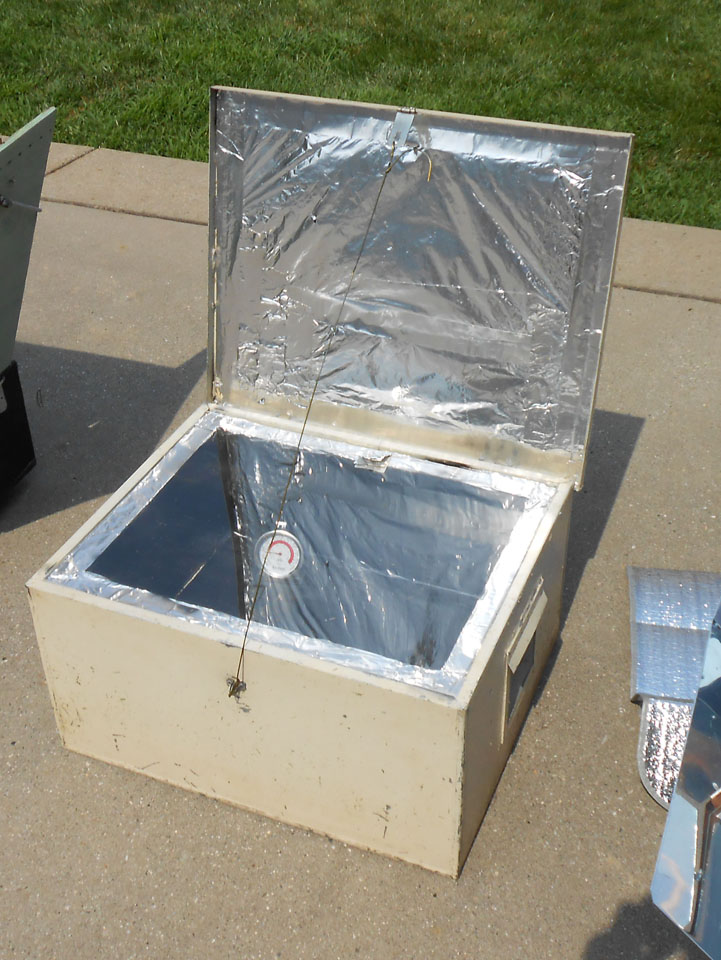
The last tasks we did this term were some projects about energies, especially the renewable ones. We did a projects consisting of designing and making a sun oven and test it, and the other one was about designing a game with a TIC tool called Scratch.


I think during this term I've learned many things about energies, how do they work, how do they produce the electricity, the advantages and disadvantages of each one, and especially, the amount of pollution the produce.

The activity that helped me to learn all these things about the energies was the one with the Scratch. In this activity we searched a lot of information about the solar energy, the eolic energy, tidal energy, hydroelectric, geothermal, biomass, petrol energy, coal energy, natural gas and nuclear energy. We also looked up their advantages and disadvantages, and if they were renewable or non-renewable. We divided them in renewables and non-renewables, and then we explained how did they work, and their advantages and disadvantages. Solar energy, eolic energy, tidal energy, hydroelectric energy, biomass energy and geothermal energy are the renewable ones. They don't pollute the environment and they will never end, we will always have their energy. The non-renewable are: petrol energy, coal energy, natural gas energy and nuclear energy. They pollute the environment, and they are one of the main causes of the climate change, and we will run out of the someday. I think this project was very interesting not only because we learned a lot of things about the different types of energy, also because we learned how to use a new TIC tool and how to program a game. Pretty useful!

Here's the link to our project: https://scratch.mit.edu/projects/114188763/


The other project we did was a sun oven. For this project we used the following materials: wood, newspaper, aluminium paper, glass, black paint and some tacks. We used the wood to build the skeleton of the project, and the tacks to attach them together. The newspaper worked as isolating material, so we put it between the big box and the small one, in order to trap the heat a much as possible. We used the black paint to paint the bottom of the project, to also gain more heat, and the glass to cover the upper part of the oven to trap the heat. Finally, the aluminium paper acted as reflecting material, in order to make the sunlight bounce inside the oven. Later, we tested it, and we tried to cook an egg, and it worked! We put the sun oven for six hours in the sun (a lot of time), but there were lots of cloud, so the sun was appearing and disappearing constantly. But in a normal day, you can cook an egg with 30 minutes. In my opinion, this task was very interesting because we had to make a real oven that had to be able to cook, and it was a project we hadn't done never before. It was a great task!


Sunday, 12 June 2016

What have I learnt about electricity?

The last unit we've studied has been electricity. It was a very interesting unit, where we've learned and done many things!  We also watched some videos in Edpuzzle in order to improve our knowledge on electricity.

We learned how to work with the Crocclip program. I think this program is very interesting ad useful, because you can draw and test any kind of electrical circuit, in series, parallel, with transistors, LDRs... any kind of circuit. With the Crocclip, I also learned the symbols of the components of the circuits, because you could choose either working with symbols or pictures. With this program we basically learnt how to work with bulbs, LEDs, LDR, resistances and transistors, because they were the components we needed for our project that we made later. It's a very useful tool!


We also did some exercises in order to practice the units and magnitudes of electricity. We learned how to calculate voltage (volts), power (watts), resistance (ohms) and energy (kWxH). We also studied Ohm's Law, which says that voltage is current per resistance. This was a very interesting activity because we practiced a lot with these magnitudes and units!


After practicing with units and magnitudes, and working with de Crocclip, we had to put the theory in practice. We had to build a project with some LEDs, resistances, transistors and LDRs. My partner and I decided to do an airport landing track. First, we made the skeleton of the project with some wood. We painted it so it seemed like a real landing track. Then, we built a prototype of the electrical circuit to make sure it worked. Our circuit consisted of: Two batteries of 4.5 volts in series, two resistances (one for the LEDs and the other for the transistor), one transistor, six LEDs in parallel and an LDR. When we were sure it worked, we introduced the final circuit in the wood plank. We had some problems, because some of the LEDs didn't work the first time, but in general it was very productive and interesting to build this project!  


Finally, we also watched, as usual, some videos in Edpuzzle in order to learn some theory and improve our knowledge. We watched a video about Ohm's Law, another about Electricity in general, and the last one about Watts. I think watching these videos in Edpuzzle is very useful because they're very catchy and visual, and keeps our attention. I love it!